
Hi, I'm Drew. Welcome to my GMO-free, gluten-free, organic website! I am an assistant professor of environmental studies at Oberlin, where (1) I lead a lab that uses satellite data to track pollution back to its source, and (2) I think about connections between technical knowledge, social movements, and democracy. Also, I appreciate knowledge of the outcome of a given situation. Navigate as follows:

- If you are interested in my SCIENTIFIC WORK: My lab uses satellite data to track pollution back to its source, monitor emissions, and diagnose the drivers of pollution change. For the details, check out out my ongoing projects, research papers, conference presentations, open-source software, and datasets. My lab website includes information on current group members and employment opportunities. For general-audience explanations of some key findings, you can read my newsletter.
- If you are interested in my INTERDISCIPLINARY WORK: I think about economic democracy within planetary boundaries, with an emphasis on connecting science with social movements. This work has taken the form of books, public writing, academic publications, and video games. My current book project for Verso, co-authored with historian Troy Vettese, connects direct democratic institutions like climate assemblies with the multi-species collaborations of rewilding: both require letting go of the fantasy of control.
- If you are interested in MY CV: you can download it here.
- If you are interested in MISCELLANEOUS: This website is big because I have had it since high school and I don't delete things. On it, you can find ephemera I have made over the years, including essays and reporting and original music. For the full experience of this randomly-generated website, reload a bunch of times.
- If you are interested in CONTACT: I can be reached at drew [at] drewpendergrass [dot] com, at the academic address in my CV, and on my only active socials: Bluesky and LinkedIn. Upcoming events are on my events page, and you can keep up with my work by subscribing to my (infrequent) newsletter below:
Upcoming events
Book talk: Half-Earth Socialism (Akron)
Date: 28 October 2026 at 5:30pm ET
Location: Akron-Summit County Public Library Main Branch (60 S High St, Akron, OH 44326)
I will be discussing my book Half-Earth Socialism in an event hosted by Akron DSA.
Additional events, future and past, are available on my events page.
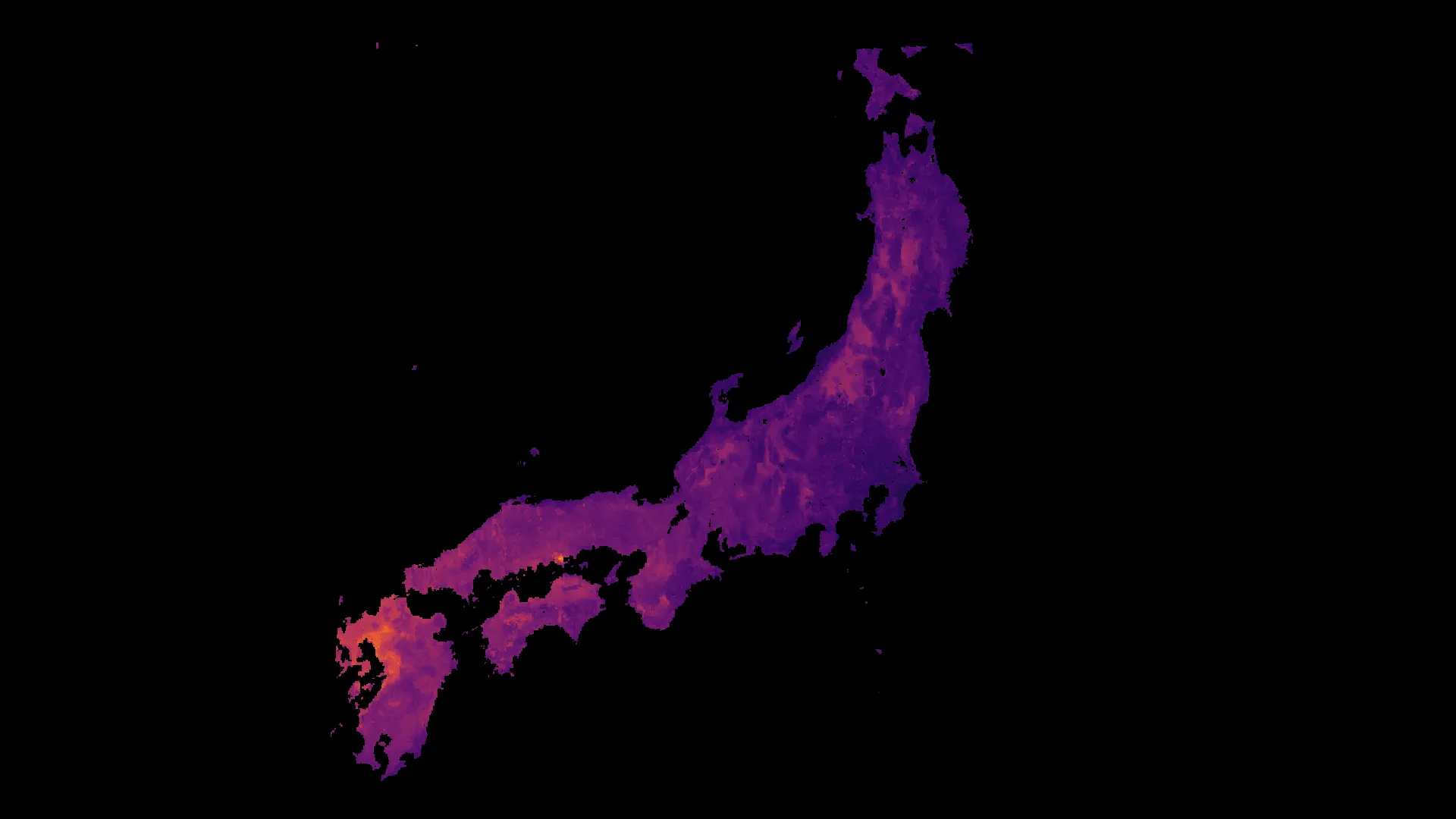
You can learn more about my research on my lab website, or you can read through all of my scientific papers and presentations on their respective pages.
A featured interdisciplinary project!
Half-Earth Socialism: A Planetary Crisis Planning Game
The Half-Earth Socialism planning game allows anyone to try their hand as a global planner of a post-capitalist science fiction society. The player aims to overcome the environmental crisis, global poverty and inequality, and pursue other goals, all while keeping global parliament happy (else the player will find themselves out of a job, or worse). Consider it a sandbox where you can play with a wide range of technologies and policies spanning different fields and ideologies. The game simulates the impact of your decisions by calculating emissions and using a real climate model (HECTOR) to work out the climate effects, while also simulating impacts to the food system and biodiversity, among other natural systems. The video game is based on my book, Half-Earth Socialism, and was made by a team including Francis Tseng, Son La Pham, Troy Vettese, and myself.
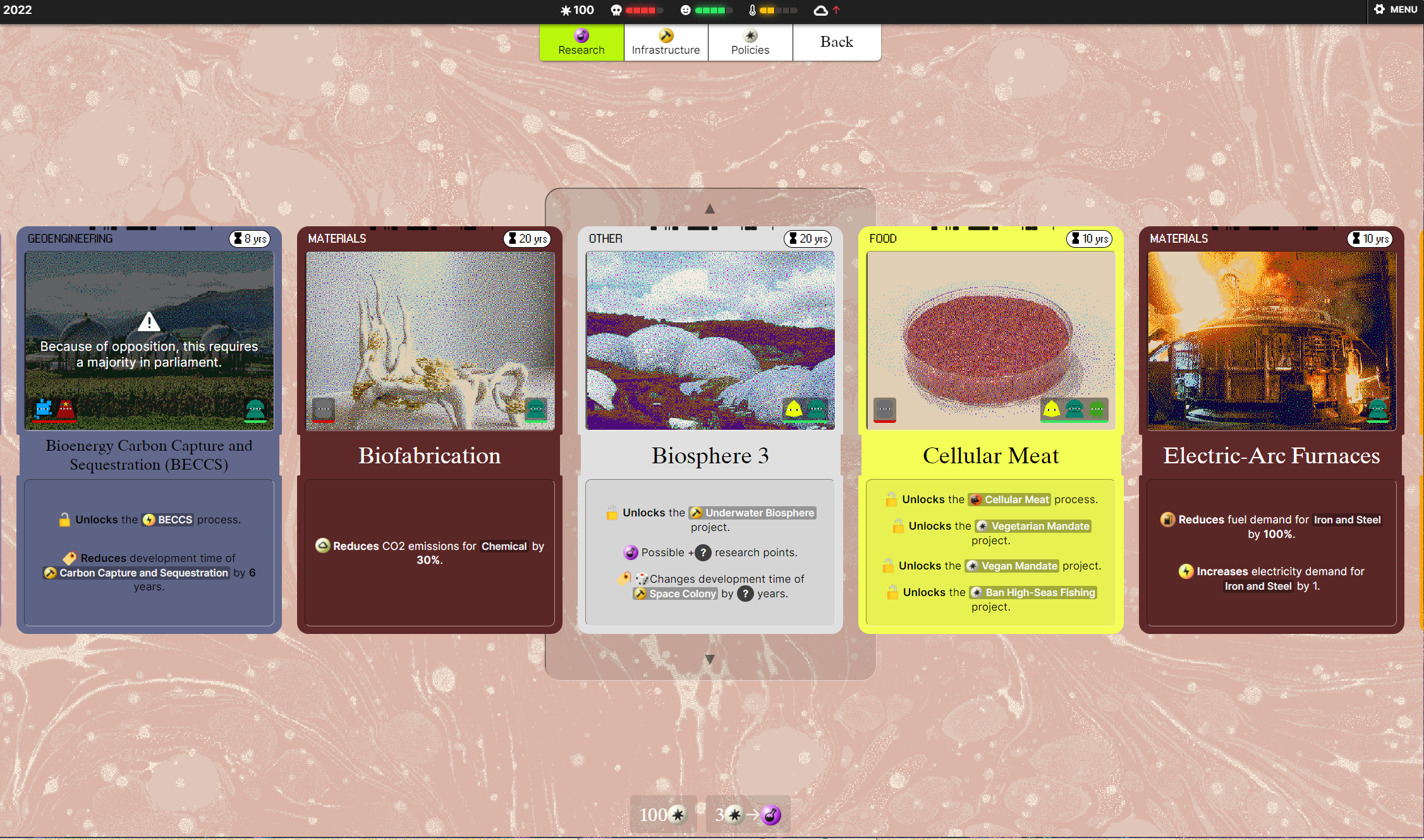
Play more of my games here, or see all featured interdisciplinary projects on my projects page.
A random media appearance
A World to Win with Grace Blakeley (podcast)
15 June 2022 | Listen here
My co-author Troy Vettese and I spoke with Grace Blakeley on the World to Win podcast, from Tribune Magazine, about our book Half-Earth Socialism.
Additional interviews and media are available on my interviews page.
